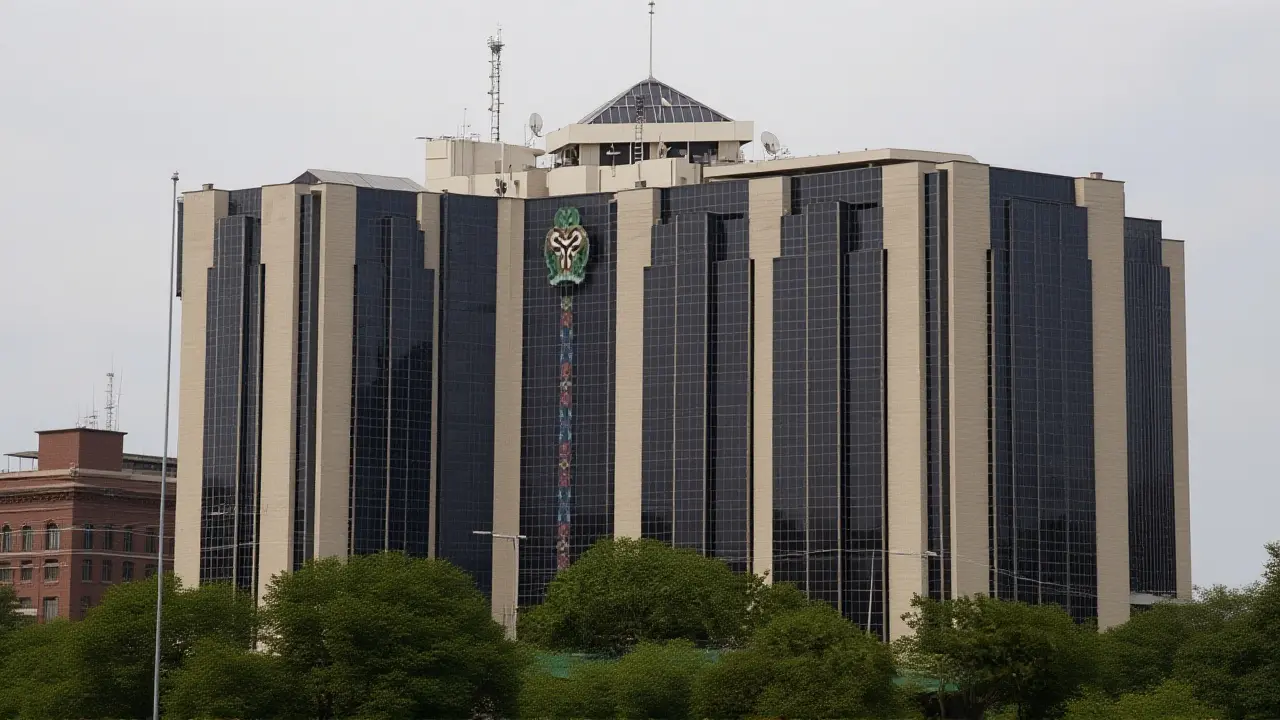
The game is changing for Nigerians abroad sending money home. On March 24, 2026, the Central Bank of Nigeria dropped a mandate that fundamentally alters how international cash flows land in the country. All International Money Transfer Operators must now open naira settlement accounts with authorized dealer banks. If you've ever waited for a transfer from the US or UK to clear, this policy changes who handles your money.
Here's the thing: the directive takes effect on May 1, 2026. There is no wiggle room. Signed by Musa Nakorji, Director of the Trade and Exchange Department of Central Bank of Nigeria, the circular targets transparency. It forces all inflows, beneficiary payments, and foreign exchange conversions through designated bank accounts rather than direct informal channels. The goal? Tighter monitoring, less leakage, and a stronger official FX market.
The New Compliance Framework
Turns out, the days of loose operational latitude are numbered for these firms. Under the new mandate, every transaction linked to international money transfers must process exclusively through these new naira settlement accounts. Authorized dealer banks can handle foreign currency transfers from these accounts to other participants, including licensed Bureau De Change operators. But there are strict rules attached. You can't just fund these accounts with whatever cash you have on hand. The money must come solely from remittance inflows or proceeds from foreign exchange conversions done within the Nigerian FX market.
Why bother? The CBN wants better traceability. With anti-money laundering rules tightening globally, regulators want to know exactly where the money comes from and where it goes. Banks are effectively becoming the gatekeepers. They're the ones holding the settlement accounts, which means they get a clearer view of the flow. For Nigeria's economy, this could stabilize liquidity significantly. It moves the massive volume of diaspora funds into the formal system where they can be tracked and priced accurately.
Remittance Trends by the Numbers
The timing makes sense when you look at the recent data. According to the CBN's Quarterly Statistical Bulletin, IMTO inflows dipped in the first half of 2025. Total inflows stood at $2.07 billion between January and June 2025, down from $2.34 billion recorded in the same period of 2024. That's a year-on-year decrease of approximately $275.93 million. Oddly enough, projections indicate recovery ahead: Nigeria's diaspora remittances are set to reach $26.13 billion in 2026, marking a jump from $23.82 billion in 2025.
These numbers aren't just figures on a spreadsheet; they represent livelihoods. Diaspora remittances remain one of Nigeria's most stable sources of foreign exchange. In fact, they've surpassed foreign direct investment over the past eight years. The decline in 2025 was likely due to friction in the system, something this new directive aims to fix. By channeling funds through Authorized Dealer Banks, the central bank hopes to plug leaks in the value chain. Experts say this centralized approach is necessary to improve price discovery and reduce arbitrage opportunities between markets.

A Look Back at Forex Volatility
You can't understand today's policy without looking at the chaotic past. Historically, the gap between the official and parallel market rates was a nightmare for businesses. The premium between these two exchange rates collapsed dramatically from 62.23 percent in May 2023 to just 2.11 percent as of December 9, 2025. That dramatic narrowing made formal remittance channels far more attractive than black market alternatives. Before these reforms, senders often got shafted because the official rate didn't reflect reality.
The CBN has been working to streamline the sector for years. On January 31, 2024, they issued guidelines prohibiting Fintechs from obtaining IMTO licenses. Then in November 2020, they required receipt of remittances only in USD cash or domiciliary accounts. The Naira 4 Dollar Scheme launched in March 2021 offered incentives like paying 5 Naira for every 1 USD received. While helpful, those were bandages. This new May 2026 mandate is structural surgery. It acknowledges that banks must play the primary role in intermediating these flows.
Outlook for 2026 and Beyond
What does this mean for the average sender or receiver? Likely smoother transactions, but maybe fewer options on speed versus cost. Looking forward, external reserves are projected to reach $51.04 billion in 2026, up from $45.01 billion in 2025. This gives the regulator more ammunition to maintain exchange rate stability. The official rate is expected to hold around 1,400 naira to the dollar throughout the year. For banks, this boosts transaction volumes. For IMTOs, it signals stricter compliance and reduced operational latitude. Success depends entirely on enforcement consistency.
Frequently Asked Questions
When does this new policy take effect?
The directive becomes officially active on May 1, 2026. Stakeholders have been urged to ensure full compliance by this date to avoid disruptions in service. Operations prior to this date may still follow legacy systems depending on transition arrangements.
Which companies are affected by this change?
All International Money Transfer Operators (IMTOs) operating in Nigeria must comply. This includes major global players like Western Union or local equivalents who facilitate cross-border payments. Authorized dealer banks are also directly involved in managing the settlement accounts.
How does this impact the exchange rate?
By channeling more dollars through formal banking systems, supply increases in the official market. This helps narrow the gap between official and parallel rates, which already dropped from 62% to 2% recently. Stability is expected to hold around 1,400 naira to the dollar.
Are fintech companies excluded from remittance services?
Yes, previous guidelines from January 2024 prohibited Fintechs from obtaining IMTO licenses. They must partner with licensed entities or authorized dealer banks to facilitate any transfer services under the new framework.





11 Comments
Beth Elwood
March 26, 2026 AT 17:55 PMSeeing how the CBN pushes hard on banking oversight lately. The deadline is set for May 1st so everyone needs to get ready. Banks are taking over the settlement process entirely now. This ensures funds are tracked correctly from entry. It feels like a necessary step for stability 💰📈.
Josh Raine
March 28, 2026 AT 07:56 AMStability requires strict control measures sometimes. People complain about the red tape but leaks cost more. The directive removes ambiguity in the foreign exchange markets. Formal channels must absorb the pressure. Ignoring the rules won't work anymore.
Pradeep Maurya
March 28, 2026 AT 14:54 PMThis regulation fundamentally shifts the power dynamic. Banks are now the gatekeepers for remittance flows. International operators need to partner closely with local institutions. The timeline allows for some preparation time. Operational costs will certainly increase for smaller companies. Transparency benefits the overall economy significantly. Illicit capital flight becomes harder to execute here. Authorized dealer banks manage the settlement accounts directly. Funds originate from legitimate foreign sources. This aligns with global anti-money laundering standards. Liquidity in the naira market sees immediate support. Price discovery mechanisms improve under this framework. The parallel market gap continues to narrow steadily. Trust in the official rate builds over time. Implementation will face some initial hurdles. Success depends on consistent enforcement actions. I expect volatility to reduce in the coming quarters.
Mason Interactive
March 29, 2026 AT 09:12 AMThe partnership angle is interesting for the industry. Fintechs definitely need to find new ways to operate. Collaboration with licensed entities seems mandatory now. Innovation still finds a way through partnerships. Market dynamics adjust to regulatory requirements eventually.
Angie Khupe
March 30, 2026 AT 20:35 PMHopefully the process gets easier for families sending money home.
Mel Alm
April 1, 2026 AT 02:20 AMYeah we all hope it dont cause too much delays. My uncle sends cash every month and waiting sucks.
Shelley Brinkley
April 1, 2026 AT 09:22 AMgov always making life harder for normal folks. dont see how tracking money helps anyone poor. just want their fees and data collection. cba messing with simple things again
nikolai kingsley
April 2, 2026 AT 11:28 AMyou lack understanding of bigger picture issues. security matters more than your convenience. ignoring risks leads to chaos later on. moral responsibility lies with regulators here
megha iyer
April 4, 2026 AT 07:45 AMHigh quality people understand why rules exist. Only true citizens follow the path forward. Poor planning ruins the good economy. We deserve proper management of funds. Respect the new laws please.
Paul Smith
April 4, 2026 AT 15:32 PMwe all need to respect the new systems and follow them right. its about helping the nation grow stronger together. many people think they know better but trust the plan. guidance comes from the leaders above us. we must stay calm and supportive during changes.
Anil Kapoor
April 6, 2026 AT 10:56 AMRegulatory overreach stifles genuine innovation in finance. These mandates ignore free market principles completely. Bureaucracy slows down vital economic activity constantly. Real solutions come from competition not control. History proves centralization fails repeatedly.