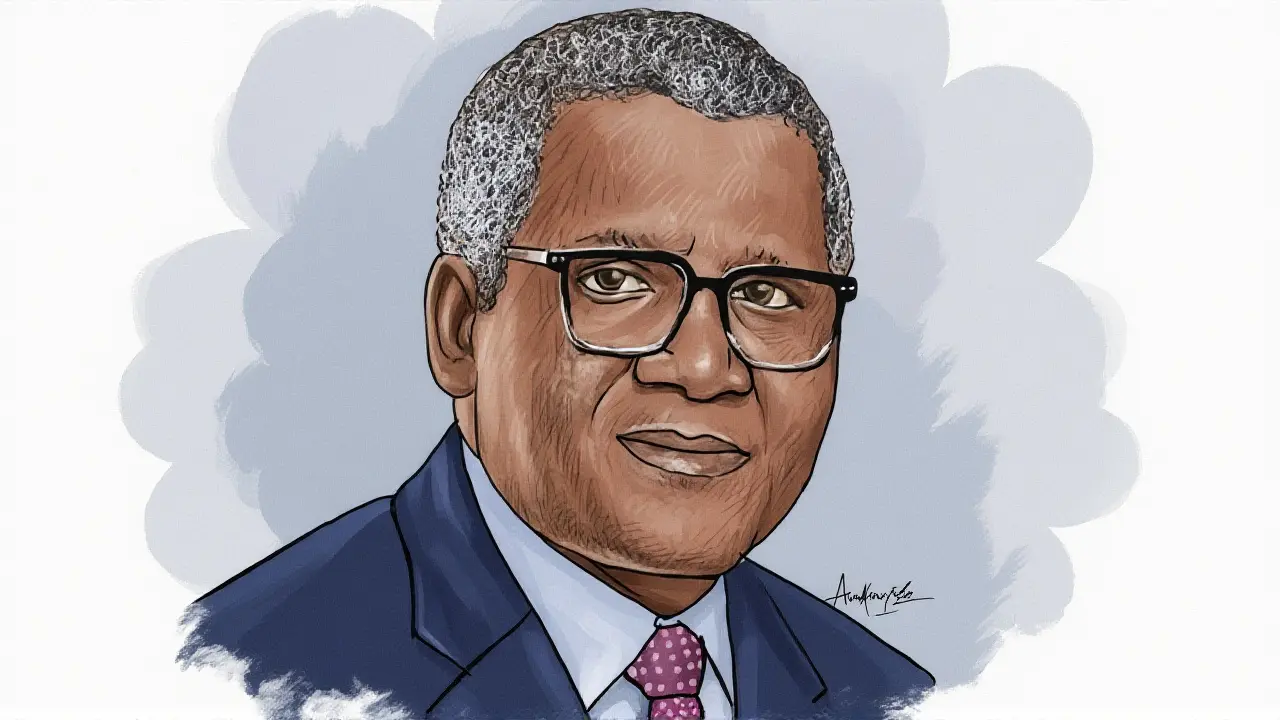
When Aliko Dangote, President of Dangote Group, took the stage in Washington DC last week, he didn’t mince words. The continent’s richest man argued that entrenched foreign interests are actively undermining Africa’s industrial growth. Speaking at the Investing in Africa Forum on April 16, 2026, Dangote called for a radical shift toward domestic investment and deeper regional integration.
It wasn't just another polite speech about potential. It was a direct challenge to the status quo. Dangote suggested that unless African investors take the lead in changing the risk narrative, the continent will remain stuck exporting raw materials while importing poverty.
The Integration Trap
Here’s the thing: everyone talks about the African Continental Free Trade Area (AfCFTA) as if it’s a magic bullet. But Dangote pointed out a glaring reality check. The success of this massive trade bloc depends entirely on how well subregional markets actually work together right now.
Weak integration at the local level stalls the broader ambition of a single African market. Think of it like trying to build a skyscraper on a shaky foundation. You can have all the blueprints in the world, but if the ground isn't solid, the structure collapses. Dangote emphasized that Africa must fix its regional trade structures first. Only then can the continental framework deliver meaningful economic impact.
He noted that foreign capital is still important, sure. But investment decisions are driven by risk perception. If African investors don't step up to change that narrative, external capital will always hesitate. It’s a chicken-and-egg problem that requires bold local leadership to break.
Exporting Jobs, Importing Poverty
Dangote used a stark example to illustrate the continent's value-addition gap: Zambia’s copper. Right now, much of that copper is exported raw. Other countries refine it, manufacture products, and sell them back to Africa at a premium.
"When we produce raw materials and export them while others dump finished products on our continent, we are importing poverty while exporting jobs," Dangote said. "We must change the narrative."
That quote hits hard because it’s true. By prioritizing local processing before export, Africa could create millions of manufacturing jobs. Instead, the current model locks the continent into being a supplier of cheap inputs for global industries. This shift from raw material extraction to producing finished goods locally isn't just nice-to-have; it's essential for long-term economic survival.
$25 Billion in Action
Talk is cheap. Investment is expensive. Over the past seven years, Dangote has invested more than $25 billion USD in key sectors including fertilizers, petrochemicals, and refined products. He’s putting his money where his mouth is.
The centerpiece of this vision? The Dangote Refinery. Located in Nigeria, this facility has been completed and boasts a production capacity of 650,000 barrels per day. It’s designed to meet the growing demand for refined products across West, Central, and South Africa.
But wait—it gets bigger. Dangote revealed that a major expansion is already underway. This expansion aims to position Africa at the center of global refining capacity. According to Dangote, this move "will make us the largest refinery in the world." That’s not just a business decision; it’s a geopolitical statement.
Speaking earlier at the Africa CEO ForumKigali, Rwanda, he stressed that strategic investments are needed to bolster indigenous industries. "Africa holds the key to its greatness," he said. "I'm not merely investing money but dedicating my entire being to this cause. The possibilities in Africa are boundless."
Why This Matters Now
The timing couldn't be more critical. With global supply chains shifting and energy prices volatile, Africa needs self-sufficiency. Overreliance on imported consumer goods leaves the continent vulnerable to external shocks. Developing domestic manufacturing capabilities reduces that dependency.
Dangote’s argument reflects a broader consensus among development economists: strategic domestic investments and regional cooperation are preconditions for competing effectively in global markets. Without them, frameworks like AfCFTA remain theoretical exercises rather than engines of growth.
Frequently Asked Questions
What is Aliko Dangote's main concern about Africa's economy?
Dangote is concerned that entrenched foreign interests are undermining Africa's industrial development. He argues that the continent continues to export raw materials while importing finished goods, which results in job losses and limited economic growth.
How does Dangote view the African Continental Free Trade Area (AfCFTA)?
He believes the AfCFTA's success depends heavily on effective regional market integration. Without fixing subregional trade structures first, the broader continental free trade framework cannot deliver its intended impact.
What is the capacity of the Dangote Refinery?
The completed Dangote Refinery has a production capacity of 650,000 barrels per day. It is currently undergoing a major expansion that Dangote claims will make it the largest refinery in the world.
How much has Dangote invested in Africa over the last seven years?
Over the past seven years, Dangote has invested more than $25 billion USD in key sectors such as fertilizers, petrochemicals, and refined products to boost indigenous industries.
Why does Dangote mention Zambia's copper exports?
He uses Zambia's copper as an example of missed opportunities. By exporting raw copper instead of processing it locally, Africa loses the value-added benefits and jobs associated with manufacturing finished goods.