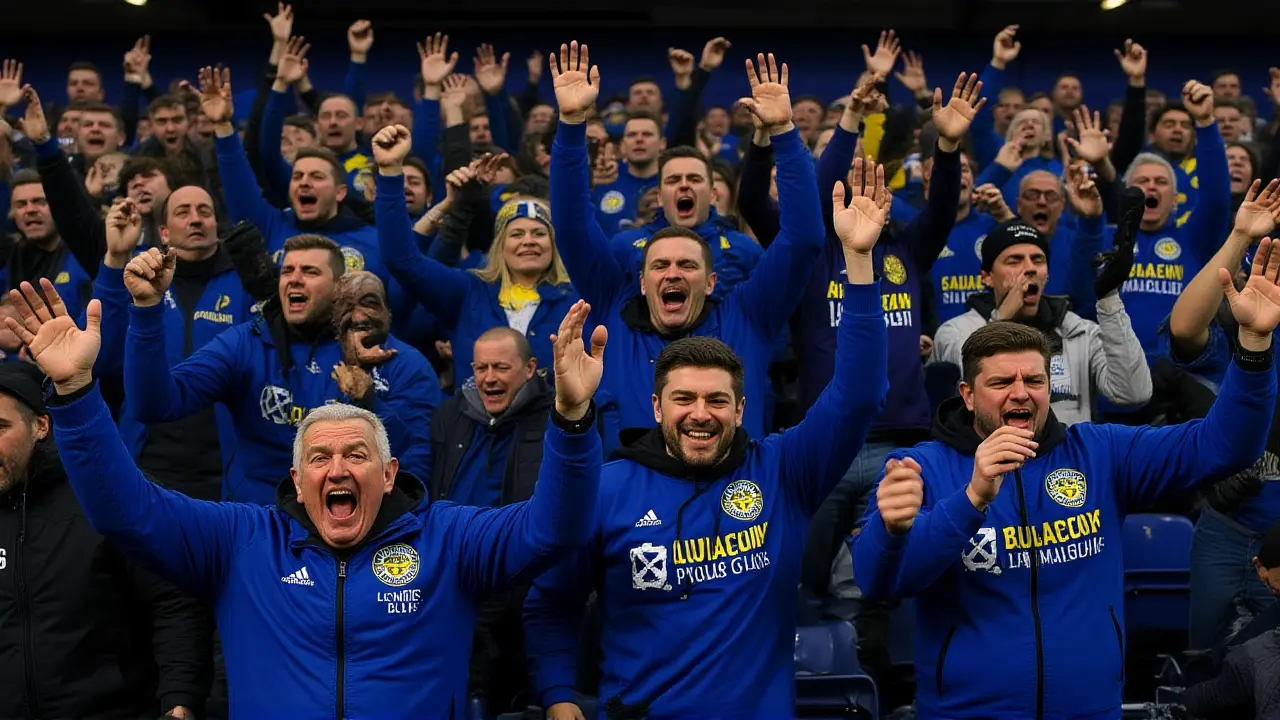
Leeds United survived a late scare and a nerve-wracking penalty shootout to beat Championship side Birmingham City 4-2 on Sunday, February 15, 2026, and book their place in the Emirates FA Cup Fifth Round at St. Andrew's Stadium in Birmingham. The match ended 1-1 after 120 minutes, with Lucas Perri standing tall in goal and Sean Longstaff delivering the knockout blow from the spot. For Leeds, it was a hard-fought win that keeps alive their first quarter-final run since 2002-03. For Birmingham, it was a heartbreaking near-miss — a chance to stun Premier League opposition slipped away in the final moments.
Early Pressure, Then a Tactical Shift
Birmingham City came out like a team on a mission. From the first whistle, they pressed high, harassed passes, and created chance after chance. Jay Stansfield’s 11th-minute rocket off the crossbar was just the start. Christoph Klarer’s header, Jhon Solis’s long-range effort — all were blocked or saved by Perri, who looked every bit the difference-maker. The home crowd of 28,035 roared as Leeds, by contrast, looked disjointed. Manager Daniel Farke knew something had to change at halftime. His side had only one shot on target — and it was off-target.
The switch? Bringing on captain Ethan Ampadu for Facundo Buonanotte. It wasn’t just a personnel change — it was a psychological reset. Ampadu’s presence steadied the midfield, and suddenly, Leeds looked like they belonged in the game.
Nmecha’s Strike and Roberts’ Redemption
Just four minutes into the second half, it happened. A goal kick from Birmingham went awry. Swiss winger Noah Okafor pounced, fed Lukas Nmecha, who turned, fired, and buried a 20-yard rocket into the top corner. It was his seventh goal of the season — and only Leeds’ second shot on target all match. The away end erupted. St. Andrew’s fell silent.
But football, as they say, doesn’t care about dominance. Birmingham refused to quit. Substitute Patrick Roberts, who’d come on in the 70th minute, struck in the 89th — a wild, looping shot that deflected off James Justin and looped over Perri’s outstretched hand. The stadium exploded. Extra time loomed.
Leeds responded with reinforcements: Dominic Calvert-Lewin and Brenden Aaronson. The English striker almost won it in stoppage time, his shot blocked on the line by Kai Wagner. The tension was unbearable. Fans held their breath. Referee Paul Tierney blew for full time. The score: 1-1.
Penalty Drama: Perri’s Save and Longstaff’s Ice
Extra time was a chess match of exhaustion. Joe Rodon came on to shore up the defense. Calvert-Lewin had a chance. Piroe missed a tap-in. Stansfield’s cross found Ibrahim Osman — who fired over. Neither side could find the killer pass.
The shootout began. Both teams scored their first two. Then came the turning point. Tommy Doyle stepped up for Birmingham. Perri guessed right — a full-stretch dive to his left, fingertips grazing the ball. It popped out. The crowd gasped. Then Roberts, the hero of the equalizer, took the next one. He struck it hard — and sent it sailing over the bar. A moment of madness.
It was now 3-2 to Leeds. All eyes turned to Sean Longstaff. The midfielder, calm as ever, walked up. No hesitation. No celebration. Just a clean, low drive into the bottom right corner. The net bulged. The away bench charged onto the pitch. Leeds had done it.
What This Means
For Leeds, this isn’t just another round. It’s a revival. Their last FA Cup quarter-final was over two decades ago — in the 2002-03 season. Since then, they’ve been mired in relegation battles, financial turmoil, and managerial churn. This run — wins over Derby (3-1) and now Birmingham — feels different. It’s not just about the cup. It’s about identity. Farke’s side, often criticized for being too cautious, showed grit, adaptability, and nerve.
For Birmingham, it’s a case of ‘what could have been.’ They played with heart, creativity, and intensity. Their manager, John Eustace, will point to the deflection on Roberts’ goal — and the missed penalty from Roberts. But in cup football, margins are razor-thin. One moment of brilliance, one lapse — and the dream ends.
What’s Next
Leeds now await Monday evening’s FA Cup Fifth Round draw. They could face a Premier League giant — or a lower-league giant killer. Either way, they’re in the mix. The quarter-finals loom. And for the first time in years, Elland Road might just be buzzing again.
Frequently Asked Questions
How did Lucas Perri’s performance impact the outcome of the match?
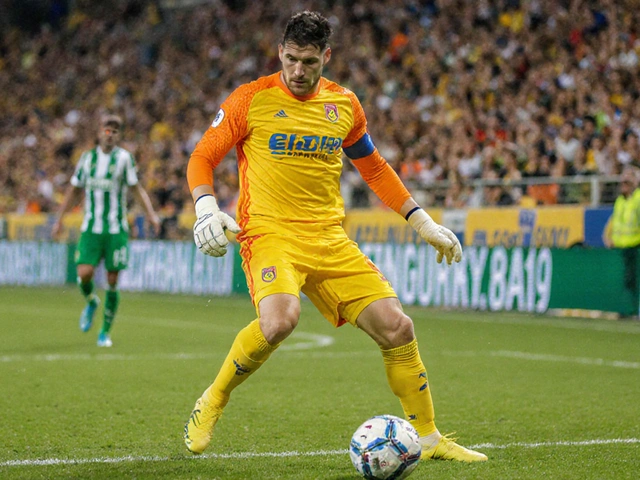
Perri made five key saves in regular time and extra time, including a crucial penalty stop on Tommy Doyle — the decisive moment in the shootout. His acrobatic fingertip save on Jay Stansfield’s early effort kept Leeds level. Without his composure under pressure, especially in the 89th minute when Birmingham poured forward, Leeds wouldn’t have made it to penalties. He was named man of the match by BBC Sport.
Why was Ethan Ampadu’s substitution so critical?
Before Ampadu came on, Leeds’ midfield was passive and disorganized. Buonanotte had been outmuscled and outmaneuvered. Ampadu, the former Chelsea and Ajax midfielder, brought physicality, vision, and leadership. He completed 92% of his passes in the second half and won 7 of 9 duels. His presence allowed Nmecha and Okafor more space, and he dictated tempo during extra time — a quiet but vital transformation.
Has Patrick Roberts’ penalty miss been the most costly in Birmingham City’s FA Cup history?
It’s one of the most painful. Roberts had already equalized with a deflected strike that sent the crowd into frenzy — only to miss the next penalty. In the last 30 years, Birmingham have lost three FA Cup ties on penalties, including a 2011 defeat to Manchester United. But never before had a player scored in regular time and then missed the decisive spot-kick. The moment went viral on social media within minutes.
What’s the significance of Leeds reaching the Fifth Round for the first time since 2002-03?
The 2002-03 campaign was Leeds’ last deep FA Cup run — they lost 2-1 to eventual champions Arsenal in the semis. Since then, the club has been relegated twice, entered administration, and rebuilt from League One. This run under Farke signals a return to relevance. A quarter-final appearance would be their first since 2003 — and likely draw a crowd of over 50,000 at Elland Road, a major financial boost for a club still recovering from years of instability.
How did the attendance at St. Andrew’s compare to past FA Cup replays?
The 28,035 attendance was the highest at St. Andrew’s for a cup match since 2019 — when Birmingham hosted Manchester City in the fourth round. For a Championship side playing a Premier League team, it’s a strong showing. The average attendance for Birmingham’s home league games this season is just over 20,000. The FA Cup still draws emotion — and money. Ticket sales alone generated £1.7 million for the club.
What tactical adjustments did Daniel Farke make that turned the game around?
Farke’s halftime change — Ampadu for Buonanotte — was the spark. He also switched from a 4-2-3-1 to a 4-3-3 in extra time, pushing Aaronson higher and allowing Calvert-Lewin to lead the line. The key was patience. Instead of pressing high, Leeds sat deeper, absorbed pressure, and hit on the break. The second goal was a textbook counter: one touch from Okafor, one from Nmecha. It was simple, effective, and ruthless.

10 Comments
James Otundo
February 17, 2026 AT 18:01 PMLmao Leeds fans acting like they just won the Champions League. It's the FA Cup. Fourth round. Birmingham are a Championship side. I've seen lower-league teams do this to Premier League clubs. Chill the fuck out.
Sarah Day
February 17, 2026 AT 22:43 PMHonestly? That was one of the most thrilling matches I've watched this season. The way Ampadu changed the game, Perri’s saves - it felt like a movie. Birmingham played their hearts out too. Football at its best, win or lose.
ryan pereyra
February 18, 2026 AT 16:30 PMThe tactical evolution under Farke is nothing short of a *paradigm shift* in modern English football aesthetics. The transition from a rigid 4-2-3-1 to a dynamic 4-3-3 with inverted fullbacks and a false nine hybrid structure - it’s a *post-possessionist* manifesto. Nmecha’s goal wasn’t just a finish - it was a *deconstruction of defensive linearity*. And Perri? A *kinetic fulcrum* of anti-chaos. The entire match was a *Hegelian dialectic* played out on grass.
Jane Roams Free
February 19, 2026 AT 05:35 AMI’m from Jamaica and I’ve never watched Birmingham or Leeds before - but wow. That penalty sequence? Pure drama. The way the crowd went from screaming to dead silent? That’s football magic. I’m already looking up their next match. This is why I love the FA Cup.
Anthony Watkins
February 20, 2026 AT 12:18 PMBirmingham got lucky on that deflection. Roberts missed the pen. Leeds got saved by a goalkeeper who’s probably on a 2-year contract. This ain’t a revival. It’s a fluke. And Farke? He’s just lucky his boys didn’t choke in extra time. #YanksCantPlay
Bryan Kam
February 21, 2026 AT 20:09 PMSo… they won? Cool. Guess I’ll go watch something else now.
Cheri Gray
February 23, 2026 AT 18:20 PMi cant belive how much passion this match had!! the way perri dived for that pen… omg!! and ampadu?? he was like a rock!! i’m crying 😭😭 this is why i love football!!
Andrea Hierman
February 25, 2026 AT 17:01 PMWhile I acknowledge the statistical and emotional significance of Leeds' progression, I must respectfully contend that the narrative of 'revival' is both overstated and potentially reductive. The club's institutional memory, while poignant, should not be conflated with contemporary performance metrics. The 2002-03 quarter-final run occurred under vastly different financial, tactical, and cultural paradigms. To equate this result with a restoration of former glory is to ignore the nuanced evolution of competitive football in the 21st century.
Danny Johnson
February 27, 2026 AT 08:49 AMI know some people are downplaying this, but honestly? This is huge for Leeds. After all they’ve been through - the relegations, the admin, the fan protests - this run feels like a spark. I’ve been following them since 2018. I didn’t think I’d see this again. Let’s enjoy it while it lasts.
Christine Dick
February 28, 2026 AT 01:20 AMI must express my profound dismay at the glorification of this match. To label it a 'revival' is to dangerously romanticize mediocrity. Leeds are a club that nearly collapsed under financial mismanagement - and now, because they scraped past a Championship side on penalties, we're to believe they're 'back'? This is not resurgence - it's delusion. The FA Cup is not a barometer of institutional health. It is a lottery. And lottery wins do not absolve systemic failure.